
The Femme fatale and the “Samodiva”
What did European XIX and early XX century writers think about the femme fatale? This article examines modern incarnations of the biblical notion of the temptress in European literatures, mainly based on examples in Bulgarian and French literature, also with references to а Romanian example. More specifically, the article analyses works by Bulgarian writer Elin Pelin, as well as by French writers Jacques Casotte and Prosper Merimée, mentioning Romanian writer Ion Luca Caragiale, all of them having a contribution to the perpetuation of this ancient myth in European literature. The comparative reading introduces the “Samodiva” (a traditional Bulgarian name for forest nymph or fairy) as a relevant incarnation of the “fatal woman”.
The Femme fatale and the “Samodiva”
-
-
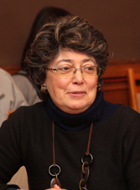
Rumyana L. Stancheva
- [email protected]
- “St. Kliment Ohridski” University of Sofia
- Bulgaria
Румяна Л. Станчева е професор в СУ „Св Климент Охридски“, доктор на филологическите науки, Доктор хонорис кауза на Университета на Артоа, Кавалер на Ордена на Академичните палми (Франция). Основател и главен редактор на списание Colloquia Comparativa Litterarum. Член е на Съюза на преводачите в България и е носител на Наградата за превод на СПБ. Има над 150 научни публикации, като сред по-известните ѝ монографии са „Среща в прочита. Сравнително литературознание и балканистика“ (2011) и „Художникът Жорж Папазов като писател. Вербализация на сюрреалното“ (2014). Съставител е на 11 научни сборника от международни проекти, издадени в България и в чужбина (някои в съавторство). Преводач на поезия и проза от френски и румънски език, с 20 книги от автори като Виктор Юго, Жак Превер, Ана Бландиана, Норман Маня, Габриела Адамещяну и др.
-
-
 Abstract:
What did European XIX and early XX century writers think about the femme fatale? This article examines modern incarnations of the biblical notion of the temptress in European literatures, mainly based on examples in Bulgarian and French literature, also with references to а Romanian example. More specifically, the article analyses works by Bulgarian writer Elin Pelin, as well as by French writers Jacques Casotte and Prosper Merimée, mentioning Romanian writer Ion Luca Caragiale, all of them having a contribution to the perpetuation of this ancient myth in European literature. The comparative reading introduces the “Samodiva” (a traditional Bulgarian name for forest nymph or fairy) as a relevant incarnation of the “fatal woman”.
Keywords: Elin Pelin Jacques Cazotte Prosper Merimée Ion Luca Caragiale the myth of the femme fatale folklore notions about “Samodiva“


