Technique and Mysteriousness: Cinema and Haiku. The Turn. Or What Japanese Cinema Would Look Like in Japanese
Starting from several Eisensteinian publications from the late 1920s, this article discusses the problem of a deep, essential closeness between the language of cinema as the perfect symbiosis of language and technology (and the film camera as the perfect machine) and different modes of Eastern/Japanese traditional culture: haiku poetry, kabuki theater, traditional ukiyo-e painting, and the nature of pictographic writing itself. This “language” plot is considered as part of the large-scale turn in Western culture/ art in the early twentieth century as a radical crisis-renewal act of overcoming one’s own “classical” tradition of relation to reality. The “second” Heidegger and particularly “A Dialogue on Language between a Japanese and an Inquirer”(1953/54) was used as a philosophical paradigm of the plot.
Technique and Mysteriousness: Cinema and Haiku. The Turn. Or What Japanese Cinema Would Look Like in Japanese
-
-
Plamen Antov
- [email protected]
- Institute for Literature – Bulgarian Academy of Sciences
- Bulgaria
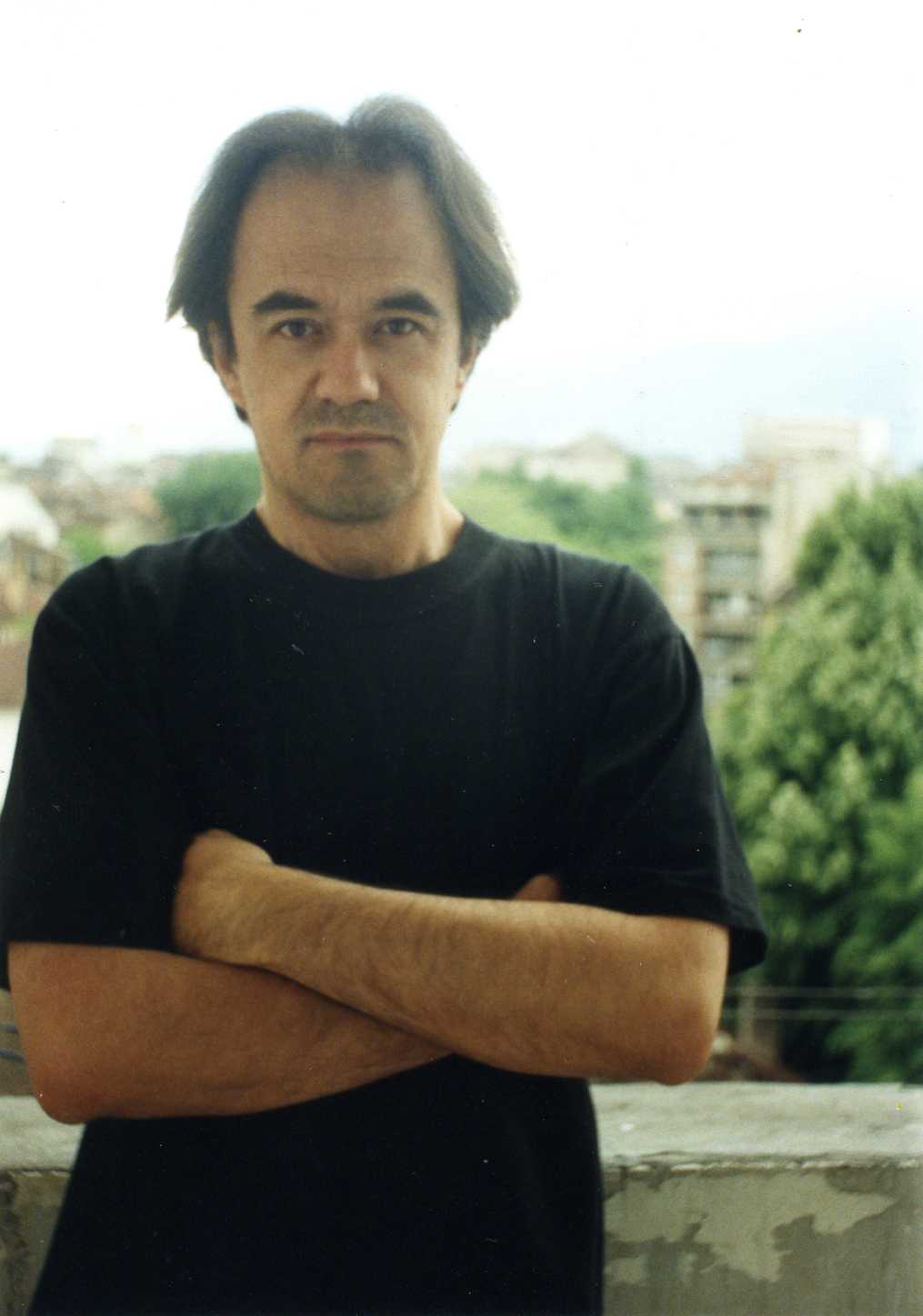
PLAMEN ANTOV (1964). Prof. DSc, Institute for Literature – Bulgarian Academy of Sciences, poet, writer. Author of more than 200 scientific publications and several monographic studies: on Bulgarian postmodernism (2010, 2016), Yavorov and Botev (2009), Emilian Stanev and Martin Heidegger (2019–21), „До Чикаго и назад” [To Chicago and Back] and Bai Ganyu (2021), the Bulgarian Revival and Western Modernity (2024), as well as 15 books of poetry, short stories, plays and fragments. Compiler of the scientific collections: „Америките ни 1: Южна Америка и българската литература, български следи в Латинска Америка” [Our Americas 1: South America and Bulgarian Literature, Bulgarian Traces in Latin America] (2015), „Америките ни 2: САЩ като метафора на модерността. Българо-американски отражения (ХХ–ХХІ в.)” [Our Americas 2: The USA as a metaphor of modernity. Bulgarian-American Reflections (19th–20th Centuries)] (2017), „Магическият реализъм” / Magical Realism (2019). Winner of national awards for poetry, drama and essay prose.
-
-
 Abstract:
Starting from several Eisensteinian publications from the late 1920s, this article discusses the problem of a deep, essential closeness between the language of cinema as the perfect symbiosis of language and technology (and the film camera as the perfect machine) and different modes of Eastern/Japanese traditional culture: haiku poetry, kabuki theater, traditional ukiyo-e painting, and the nature of pictographic writing itself. This “language” plot is considered as part of the large-scale turn in Western culture/ art in the early twentieth century as a radical crisis-renewal act of overcoming one’s own “classical” tradition of relation to reality. The “second” Heidegger and particularly “A Dialogue on Language between a Japanese and an Inquirer”(1953/54) was used as a philosophical paradigm of the plot.
Subject: CINEMA, GOTHIC, CANON CANONICAL AND NON-CANONICAL IN LITERATURE AND CINEMAKeywords: С. Айзенщайн А. Тарковски кино хайку avantgarde Хайдегер