PETER THE GREAT PRUT’S CAMPAIGN AND THE APPEARANCE OF THE RUSSIAN TRANSLATION OF THE SLAVIC KINGDOM BY MAVRO ORBINI
The article discusses the Russian translation of The Slavic King- dom by Mavro Orbini, published in Moscow at the initiative of Peter the Great. He takes a particular interest in the Southern Slavs during the campaign of 1711 to river Prut, hoping to raise them to fight against the Ottoman enslavers. The campaign is failed, but on the tsar’s order Sava of Ragusa (Dubrovnik) translates the above-mentioned work of Orbini. Attention in the article is given both to the personality of the translator and to his translation techniques. In the process of translation Sava of Ragusa omits many parts of the Italian original text in view of the interests of Russian readers. The Bulgarian share of the The Slavic Kingdom and the reasons for the translation’s gaps are analyzed in more details. An attempt to classify the omissions is made.
PETER THE GREAT PRUT’S CAMPAIGN AND THE APPEARANCE OF THE RUSSIAN TRANSLATION OF THE SLAVIC KINGDOM BY MAVRO ORBINI
-
-
Igor Kaliganov
- Institute of Slavic Studies – Russian Academy of Sciences
- Russia
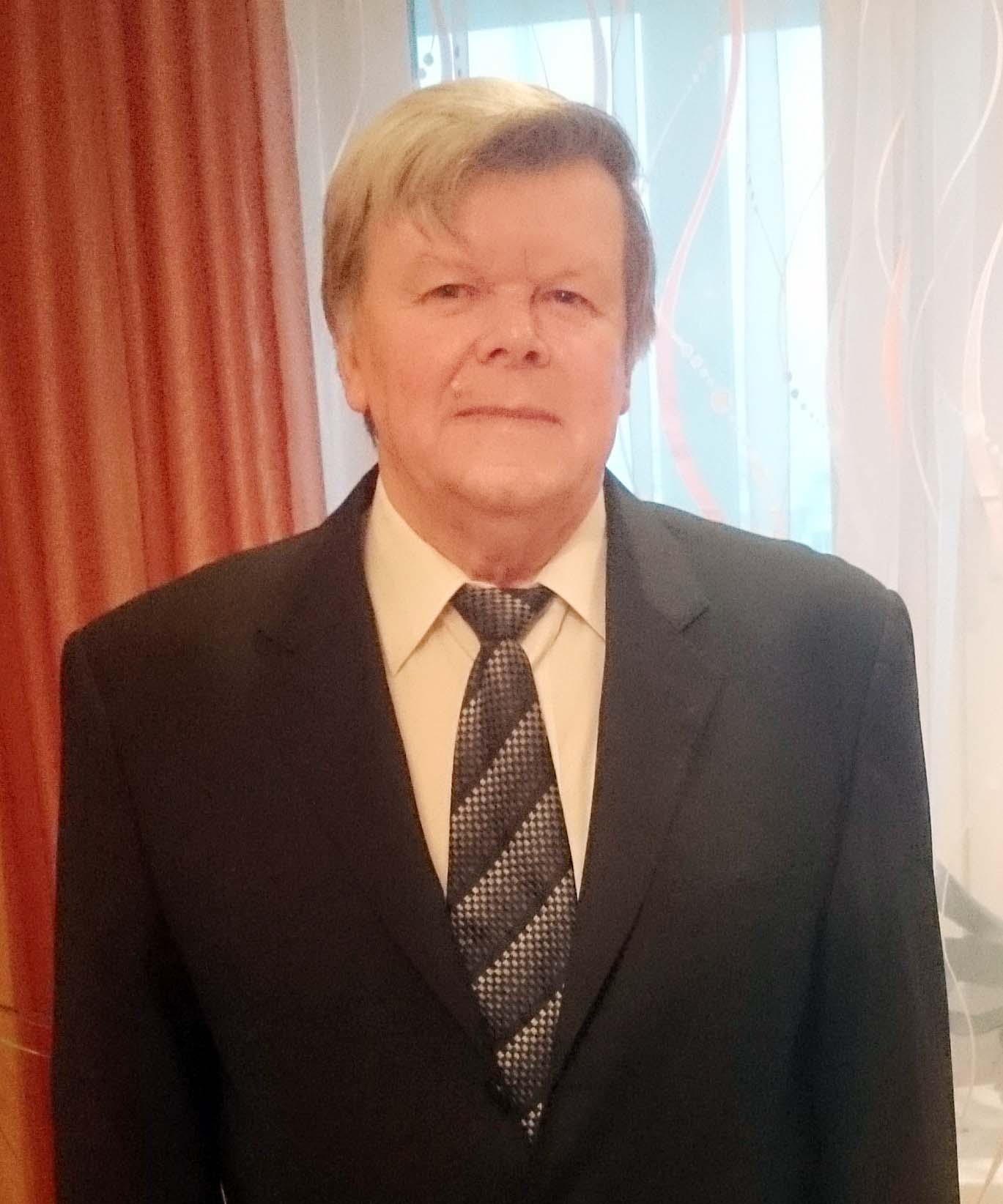
Kaliganov, Igor Ivanovich (1946–2025) – Professor, Doctor of Philological Sciences, Leading Research Fellow at the Department of History of Slavic Literatures, Institute of Slavic Studies, Russian Academy of Sciences (Moscow).
Research Interests: South Slavic and Russian literatures, history and culture of Russia and the South Slavs.
Publications: Author of over 300 academic works (for details, see inslav.ru/Kaliganov I. I.).
Teaching Experience: Over 35 years of teaching at Lomonosov Moscow State University, Pushkin State Russian Language Institute, Diplomatic Academy of the Ministry of Foreign Affairs of the USSR, Military Institute, State Academy of Slavic Culture (GASK), among other institutions.
Major Administrative Positions: Dean of the Faculty of Philology at GASK (2004–2015); Founder and Head of the Department of Slavic Languages and Cultures at GASK (2004–2015).
Honors and Awards:
- First Prize named after Macarius (Bulgakov), Metropolitan of Moscow and Kolomna (1997)
- Order of the Stara Planina, 1st Class (2000)
- International Award of Saints Equal-to-the-Apostles Brothers Cyril and Methodius (Moscow, 2006)
- Honorary Badge of Distinction "Marin Drinov" (2006)
- Title "Honorary Worker of Science and Technology of the Russian Federation" (2007), among others
-
-
 Abstract:
The article discusses the Russian translation of The Slavic King- dom by Mavro Orbini, published in Moscow at the initiative of Peter the Great. He takes a particular interest in the Southern Slavs during the campaign of 1711 to river Prut, hoping to raise them to fight against the Ottoman enslavers. The campaign is failed, but on the tsar’s order Sava of Ragusa (Dubrovnik) translates the above-mentioned work of Orbini. Attention in the article is given both to the personality of the translator and to his translation techniques. In the process of translation Sava of Ragusa omits many parts of the Italian original text in view of the interests of Russian readers. The Bulgarian share of the The Slavic Kingdom and the reasons for the translation’s gaps are analyzed in more details. An attempt to classify the omissions is made.
Subject: East of the New AgeKeywords: The Slavic Kingdom by M. Orbini MAVRO ORBINI Sava of Ragusa Russian translation Bulgarian -
References
ARTAMONOV V. A. Dunayskiy pokhod Petra I v 1711 g.: russkaya armiya ne byla pobezhdena. Moskva: Russkiye vityazi, 2015.
ARTAMONOV, V. A. Turetsko-russkaya voyna 1710–1713 gg. Moskva: Kuchkovo pole, 2019.
BARONIY, Tsezar’. Deyaniya tserkovnyye i grazhdanskiye. Moskva: Pechatnyy dvor, 1719.
VODARSKIY, Ya. Ye. Zagadki Prutskogo pokhoda Petra I. Moskva: Nauka, 2004.
DELL’ AGATA, G. Russkiy perevod „Tsarstva slavyan“ Mauro Orbini. – V: Sovetskoye slavyanovedeniye, 1990, № 5, s. 58–68.
DRAGOVA, N. Istorikat. – V: Tsarstvoto na slavyanite. Istoriya ot Don Mavro Orbini ot Raguza, abat ot Mletskiya orden. Sofia: Damyan Yakov, OKI „Stolichna biblioteka“, 2012, s. 5–16.
DUCHICH, Y. Graf Savva Vladislavovich: serb-diplomat pri dvore Petra Velikogo i Yekateriny I. Sankt-Peterburg: Skifiya, 2009.
ILIEVA, L. Nerazkriti impulse v sveta na vazrozhdenskiya balgarin: “Istoriya na Balgariya” (1774 g.) na Yohan Gothild Shtriter. – V: Lingvistikata: istoriya, predizvikatelstva, perspektivi. Sbornik v chest na 80-godishninata na prof. d-r Ivan Kochev. Blagoevgrad: UI “Neofit Rilski”, 2015, s. 20–28.
Kniga Istoriografiya pozhatiya imene, slavy, i razshireniya Naroda slavyanskogo (…) V Sankt’piterburgskoi Tipografii, 1722 godu, Avgusta v 20 den’.
ORBINI, M. Slavyanskoye tsarstvo. Proiskhozhdeniye slavyan i rasprostraneniye ih gospodstva. Moskva: ZAO „OLMA Media Grupp“, 2010.
Pis'ma i bumagi imperatora Petra Velikago. T. 11, vyp. 2 (Iyul’-dekabr’ 1711 g.). Sankt-Peterburg: Gossudarstvennaya tipografiya, 1964.
PAVLENKO, N. I. Pyotr Velikiy. Moskva: Mysl’, 1994.
PAVLENKO, N. I. Ptentsy gnezda Petrova. Moskva: Prospekt, 2017
Savva Vladislavovich Raguzinskiy. Diplomat Petra I. Avtor-sostavitel’ T. Melikova. Sankt-Peterburg: IP „Keller“, 2003.
Savva Vladislavich-Raguzinskiy. Diplomat Petra I. Sostavitel’ Melikova T. Kyakhta, Troitskosavsk, Buryatiya, 2023.
SEROV, D. O. Administratsiya Petra I. Moskva: OGI, 2008
TATISHCHEV, V. N. Istoriya Rossiyskaya. Chast’ pervaya. – V: TATISHCHEV, V. N. Sobraniye sochineniy v 8 tomakh. T. I. Moskva: Nauchno-issledovatel’skiy tsentr „Ladomir“, 1994.
SHARKOVA, I. S. Rossiya i Italiya: torgovyye otnosheniya XV – pervoy chetverti XVIII v. Leningrad: Nauka, Leningradskoe otdeleniye, 1981.
Izvestiya vizantiyskih istorikov, obayasnyayuschtie Rossiyskuyu istoriyu dreneyshih vremen i pereseleniya narodov; sobrany i hronologicheskim poryadkom raspredeleny Ivanom Shtritterom. Ch. I. O slavyanah. V Sankt-Peterburge pri imperatorskoy Akademii nauk, 1770.
Izvestiya vizantiyskih istorikov, obayasnyayuschtie Rossiyskuyu istoriyu dreneyshih vremen i pereseleniya narodov; sobrany i hronologicheskim poryadkom raspredeleny Ivanom Shtritterom. Ch. IV. O bolgarah, vlahah, hazarah, komanah, utsah, pechenegah, vengrah i o tatarah. V Sankt-Peterburge pri imperatorskoy Akademii nauk, 1775.